




What a Tree Removal Policy Should Cover
- Gary Zimmerman - Certified Arborist - Tree Masters
- 2 days ago
- 6 min read
A fallen limb over a driveway is one problem. A damaged roof, blocked access lane, or worker injury during removal is a much bigger one. That is why a clear tree removal policy matters. Whether you are a homeowner, HOA board member, property manager, or commercial site operator in North Texas, the right policy helps you make decisions faster, reduce liability, and avoid expensive mistakes.
In practical terms, a tree removal policy is a set of rules for when a tree should be removed, who has authority to approve the work, how risk is evaluated, and what standards the contractor must meet. Some policies are formal, especially for HOAs, municipalities, and commercial properties. Others are less structured, like a homeowner's plan for handling hazardous trees before storm season. In both cases, the goal is the same - protect people, structures, utilities, and the long-term value of the property.
Why a tree removal policy matters
Tree removal is not routine landscaping. It is high-risk work that can affect homes, fences, parked vehicles, neighboring properties, power lines, drainage, and access for residents or tenants. A policy creates consistency before an urgent situation forces a rushed decision.
For homeowners, that might mean knowing when a cracked trunk, root failure, or storm-damaged canopy calls for professional removal instead of another trim. For commercial properties and HOAs, it often means documenting who inspects the tree, how hazards are classified, and how quickly action must be taken. Without that structure, one person delays, another assumes someone else approved the work, and the risk keeps growing.
In the Dallas-Fort Worth area, weather makes this even more relevant. High winds, lightning, saturated soil, and long dry periods all put stress on trees. A tree that looked stable six months ago can become a real hazard after a storm or drought cycle. Good policy accounts for changing conditions instead of treating tree care as a one-time decision.
What a tree removal policy should include
A useful policy starts with clear criteria. Not every unhealthy tree has to come down, and not every leaning tree is automatically dangerous. That is where many property owners get into trouble. They either remove too quickly without proper evaluation, or wait too long because the problem is not obvious from the ground.
A strong policy should define common reasons for removal. Those often include dead trees, severe structural defects, root instability, major storm damage, disease or decay beyond recovery, interference with construction, or repeated failure that threatens people or property. It should also note that preservation is sometimes the better option when corrective pruning, cabling, soil care, or treatment can reduce the risk.
This balance matters. Removing a mature tree can change shade patterns, curb appeal, drainage, and even heat load around a building. On the other hand, trying to preserve a tree with major structural failure can expose the owner to avoidable liability. A sound policy leaves room for judgment based on professional inspection.
Inspection and documentation standards
One of the most overlooked parts of a tree removal policy is documentation. If a tree is reported as hazardous, there should be a record of the complaint, inspection date, observed condition, and recommended action. For larger properties, photos and site notes are worth keeping. If a tree is near a sidewalk, parking area, building entrance, or utility corridor, that detail should also be documented.
For HOAs, multifamily sites, and commercial properties, documentation helps show that management acted responsibly. For homeowners, it creates a clear path from concern to action instead of relying on guesswork or a verbal opinion from someone without proper experience.
The inspection standard should also say who is qualified to assess the tree. In many cases, that means a certified arborist or an experienced tree professional who understands species behavior, decay patterns, rigging limits, and site hazards. A cheap estimate is not the same thing as a credible risk assessment.
Approval and emergency decision-making
Delays are common when no one is sure who can authorize removal. A tree removal policy should identify the decision-maker and define when emergency action is allowed. If a tree has already failed, is resting on a structure, or is threatening access or utilities, waiting for a committee vote or multiple signatures may not be realistic.
That does not mean every situation is an emergency. It means the policy should separate urgent hazards from non-urgent removals. Emergency removal usually needs immediate site control, fast contractor response, and clear communication with affected residents, tenants, or neighboring owners. Non-emergency work can go through the normal approval process, which may include bids, scheduling, and notice requirements.
This is especially important for commercial sites and HOAs, where timing affects liability, traffic flow, and resident safety. A practical policy protects the property without creating unnecessary delays.
Contractor requirements in a tree removal policy
If the policy says when removal should happen but says nothing about who can do the work, it is incomplete. Tree removal should never be treated like casual cleanup. The contractor requirements are just as important as the removal criteria.
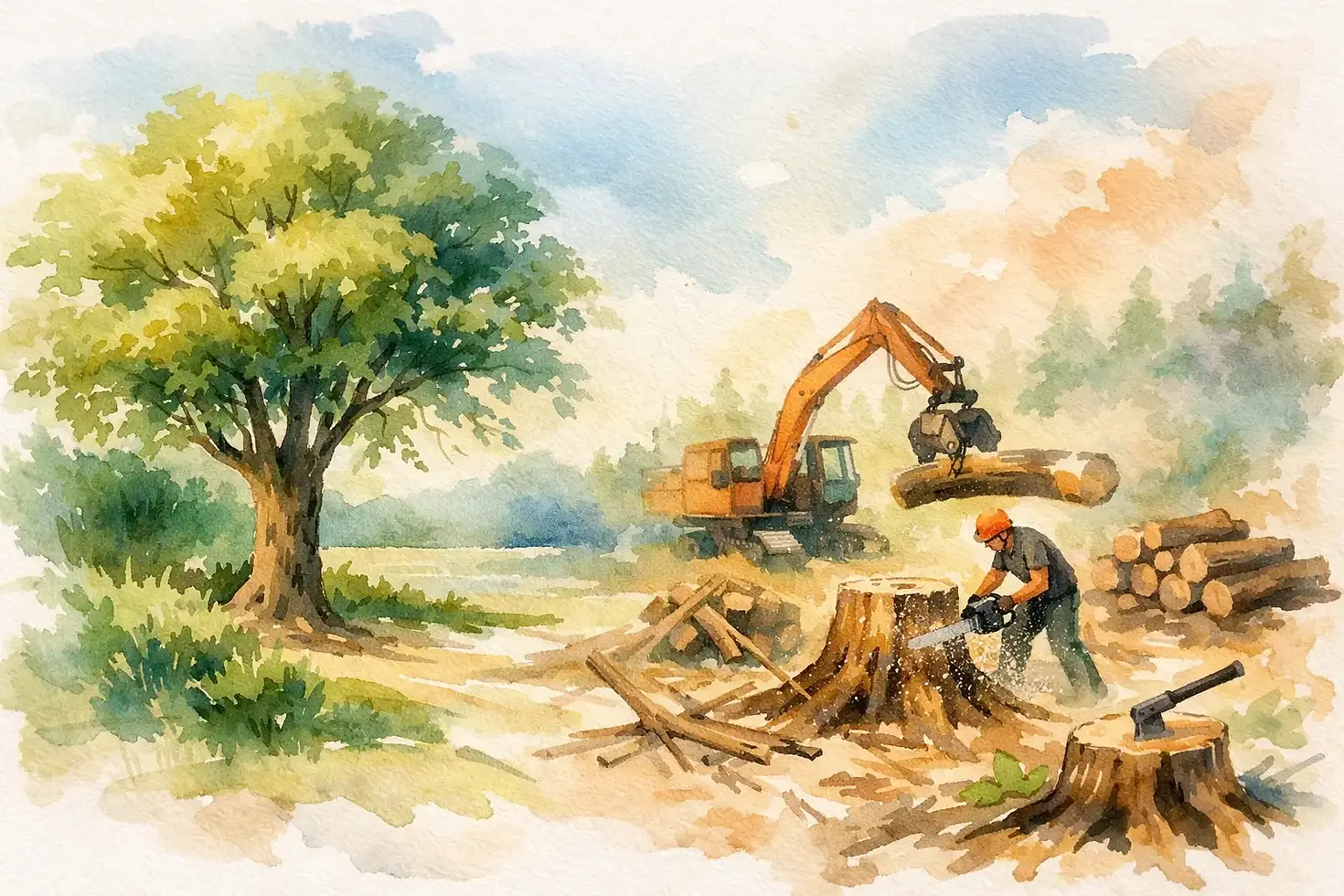
At a minimum, the policy should require proper insurance coverage, safe work practices, and equipment suited to the site. In tight residential lots, that may mean controlled dismantling with rigging to protect roofs, fences, and landscaping. On commercial sites or development tracts, it may involve larger crews, specialized equipment, traffic control, or coordination with utilities.
The policy should also address debris removal, stump handling, and property protection. Are brush and logs hauled away? Is stump grinding included or handled separately? Who repairs lawn damage from heavy equipment if access is limited by wet soil? These details matter because they affect cost, scheduling, and customer expectations.
A company like Tree Masters Tree Service, serving North Texas since 1988, understands that removal is only part of the job. The work also has to be planned around structures, access points, neighboring property, and safety on the ground.
Local factors that affect removal decisions
Any tree removal policy used in DFW should account for local conditions. Clay soils can shift. Summer heat stresses root systems. Storms can expose hidden decay fast. Some species handle North Texas weather better than others, and some become more failure-prone with age, poor pruning history, or restricted growing space.
That means a policy should not rely on appearance alone. A tree may still leaf out and look fairly normal while the trunk base or major scaffold unions have serious problems. The reverse is also true. A stressed tree may look rough after drought and still be a candidate for preservation rather than removal.
Local ordinances can also come into play. Depending on the city, protected tree rules, permitting, or replacement requirements may apply. Commercial owners, developers, and HOAs should not assume every removal can proceed the same way across different municipalities in the Metroplex. A policy should leave room to verify local requirements before work starts.
Common mistakes a policy can prevent
The biggest mistake is waiting for certainty in situations where risk is already visible. Trees rarely give perfect warning before failure. Cracks, heaving soil, hollow sections, hanging limbs, and recent storm damage are enough to justify prompt inspection.
Another common problem is relying on the lowest bid without checking qualifications. Tree work done incorrectly can damage buildings, tear up irrigation, leave dangerous debris, or create even more liability than the original hazard. A written policy helps keep decisions grounded in safety and scope, not just price.
There is also the issue of inconsistent enforcement. One hazardous tree gets removed right away, while another sits for months because it is behind a different building or belongs to a different budget line. Policies help standardize response so decisions are not based on who complains the loudest.
Building a practical policy for your property
The best policy is one people can actually use. It does not need to be overly complicated, but it should answer the questions that come up when a tree becomes a concern. What conditions trigger inspection? Who evaluates it? Who approves removal? What qualifies as an emergency? What credentials must the contractor carry? How is the site restored afterward?
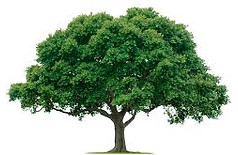
For a homeowner, that may be a simple written checklist kept with home records and insurance information. For a commercial property, HOA, or municipal site, it may be a more formal internal document with reporting procedures and vendor standards. Either way, the policy should reflect the property itself. A suburban home with one large oak near the roof has different needs than an apartment complex, retail center, or undeveloped tract awaiting construction.
If you manage multiple trees across a property, the smartest approach is to create the policy before storm season, not during it. That gives you time to inspect trees, prioritize risk, and line up qualified help before the phones start ringing across the region.
A good tree removal policy does not push every problem toward removal. It creates a disciplined way to protect people, preserve healthy trees when possible, and act quickly when safety is on the line. When that balance is handled well, the property is safer, the process is clearer, and the next decision gets a lot easier.


Comments