





How to Choose Tree Removal Company Right
- Gary Zimmerman - Certified Arborist - Tree Masters
- 2 days ago
- 6 min read
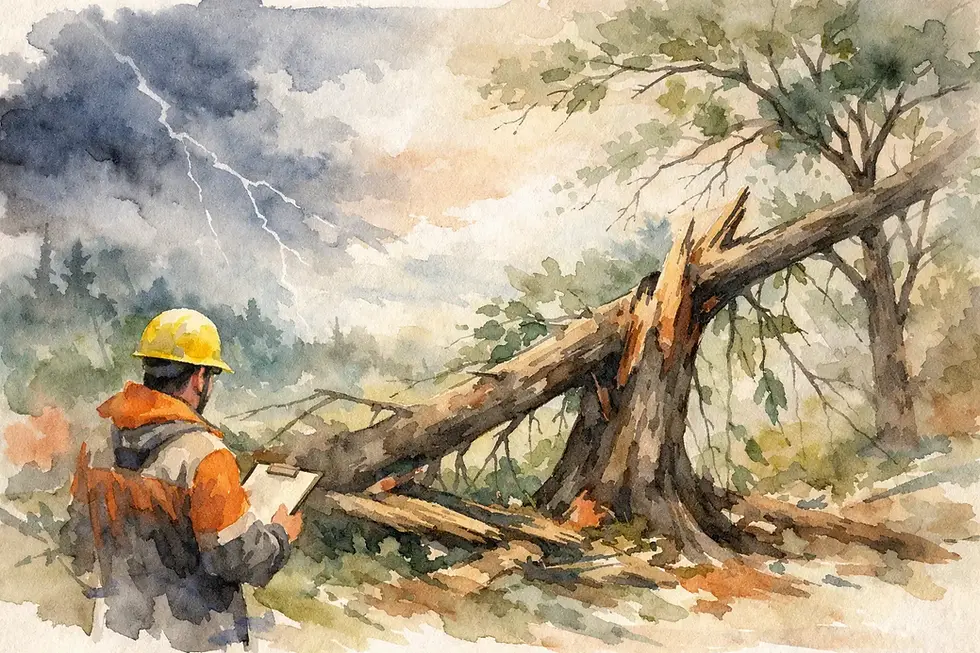
When a tree is leaning toward your house, hanging over a parking lot, or split after a North Texas storm, you do not have much room for guesswork. Knowing how to choose tree removal company services the right way can protect your home, your vehicles, your tenants, and the people on your property. It can also keep you from paying twice for a job that should have been done correctly the first time.
Tree removal is not a commodity service. Two companies can quote the same tree and offer very different levels of safety, equipment, training, insurance, and cleanup. The lowest number on paper is not always the lowest cost once property damage, delays, or incomplete work enter the picture.
Why choosing the right tree removal company matters
A large removal near a roofline, fence, pool, or power line is a technical job. It requires planning, controlled cuts, rigging, equipment access, and a crew that knows how to protect the surrounding property. On commercial sites, there is another layer of risk because pedestrian traffic, tenant safety, and liability exposure all matter.
That is why a legitimate tree company should be judged on more than whether they own a chainsaw and can show up tomorrow. You want a contractor that understands tree biology, jobsite safety, and how to manage difficult removals without creating a bigger problem.
How to choose tree removal company services with confidence
Start with credentials, not price. A qualified company should be fully insured and able to explain its coverage clearly. That means general liability and workers' compensation, not vague statements like "we're covered." If a worker gets hurt on your property or a limb hits a structure, insurance is not a detail. It is one of the main things separating a professional operation from a risky one.
Next, ask who is evaluating the tree. In many cases, a certified arborist or an experienced estimator with arborist support can give you a more accurate recommendation. That matters because not every tree needs full removal. Sometimes selective pruning, weight reduction, bracing, or health treatment is the better option. A company that jumps straight to removal without explaining why may be selling the biggest job, not the right one.
Experience also matters, but it helps to be specific about what kind of experience. A crew that removes open-lot trees may not be the right fit for a backyard removal over a fence and patio. A company that handles residential jobs well may not have the equipment or project management systems for an HOA, retail center, or development site. Ask whether they have completed work like yours before, especially if access is tight or the tree is close to structures.
What to ask before you hire anyone
A good estimate should feel clear, not rushed. You should understand what is being removed, how the work will be performed, what equipment is needed, and what happens to the debris afterward. If stump grinding is not included, that should be stated plainly. If crane work is possible, they should tell you why and what that changes.
Ask direct questions. Are you fully insured? Will you protect the lawn, driveway, and surrounding landscape? Who is responsible for permits if they are needed locally? Will all wood and brush be hauled away? How will the area be cleaned up at the end of the job?
Their answers tell you a lot. A professional company will not be annoyed by detailed questions because serious tree work requires detailed planning. In fact, the more hazardous the removal, the more carefully the company should be thinking through each step.
Beware of vague estimates and unusually low bids
One of the most common mistakes property owners make is comparing bids that are not actually for the same scope of work. One quote may include full debris haul-off, stump grinding, traffic control, and cleanup. Another may only cover dropping the tree and leaving the wood stacked on site. The prices look far apart, but the services are not equal.
Low bids can also signal shortcuts. The company may be underinsured, using inexperienced labor, or planning to rush through the job without proper protection for the property. That does not mean the highest quote is automatically best, either. What you want is a detailed estimate that explains the value behind the number.
If a price seems much lower than everyone else, ask why. There may be a reasonable explanation, but there may also be missing pieces that become your problem later.
Safety should be visible, not just promised
Any company can say safety matters. The better question is whether you can see it in how they operate. Professional crews typically arrive with the right equipment, personal protective gear, and a plan for controlling the drop zone. They think about access points, utility conflicts, nearby structures, and how to keep bystanders out of danger.
For commercial properties, this becomes even more important. If a tree is being removed near storefronts, apartment buildings, sidewalks, or active parking areas, the contractor should be able to talk through traffic management and site control. That level of preparation is a sign of a company that understands more than just cutting wood.
Local knowledge makes a difference in North Texas
Tree removal in the Dallas-Fort Worth area comes with its own conditions. Heavy clay soils, storm damage, drought stress, and fast-changing weather can all affect tree stability. Species common to North Texas also fail in different ways. Some are more prone to splitting, some decline gradually, and some look sound until a storm exposes structural weakness.
A local company with long-term experience in the Metroplex is often better equipped to spot these patterns and recommend the right response. That does not just help with urgent removals. It helps with timing, access planning, and preserving healthy trees nearby during the process.
Reviews matter, but look for the right signals
Online reviews can be useful, but do not stop at the star rating. Read for patterns. Do customers mention professionalism, communication, cleanup, and care around the property? Do commercial clients mention reliability and proper insurance documentation? Do homeowners say the crew handled a difficult removal without damaging fences, roofs, or landscaping?
A few strong reviews about simple jobs are not the same as consistent feedback on challenging work. You are looking for proof that the company performs well when the stakes are higher.
The best company is not always the one that says yes fastest
Fast response matters, especially after storms, but urgency should not replace judgment. If a company promises immediate removal without assessing the tree, the access, and the surrounding hazards, that is a concern. A good contractor can move quickly while still taking the time to evaluate the job properly.
This is especially true after severe weather, when crews are busy and homeowners are under stress. Reputable companies may have a full schedule, but they should still communicate clearly about timelines, emergency stabilization, and what can be done first to reduce immediate risk.
Residential and commercial needs are not always the same
Homeowners often focus on roof clearance, fence protection, and cleanup. Commercial property managers, HOAs, and developers usually need more documentation, more scheduling control, and the ability to manage larger scopes of work across multiple areas. Neither need is more important, but they are different.
When you evaluate a tree contractor, make sure their systems match your property type. A company that can handle tight backyard removals, storm response, lot clearing, and ongoing arborist guidance brings more flexibility to the table. That can be especially valuable if one removal turns into a longer-term tree care plan.
A simple way to make the final decision
If you are narrowing the field, compare companies on five things: insurance, credentials, relevant experience, scope clarity, and communication. Price still matters, but it should come after those basics are confirmed. A company that is clear, insured, safety-focused, and experienced around your type of property is usually the better long-term choice.
In North Texas, where storms and fast growth can turn a tree issue into a property risk quickly, dependable service is worth more than a cheap estimate. Tree Masters Tree Service has built its reputation on that standard since 1988 by combining hands-on experience, certified arborist leadership, and fully insured service across the DFW Metroplex.
If a tree on your property is raising questions, trust the company that answers those questions directly, explains the trade-offs, and treats safety like part of the job, not a sales line. That is usually the clearest sign you are making the right call.


Comments